Box styles explained: RSC, mailers, tuck ends and more
Packaging suppliers love abbreviations. Here are the box styles you will hear about most, what they look like and what each one is good for.
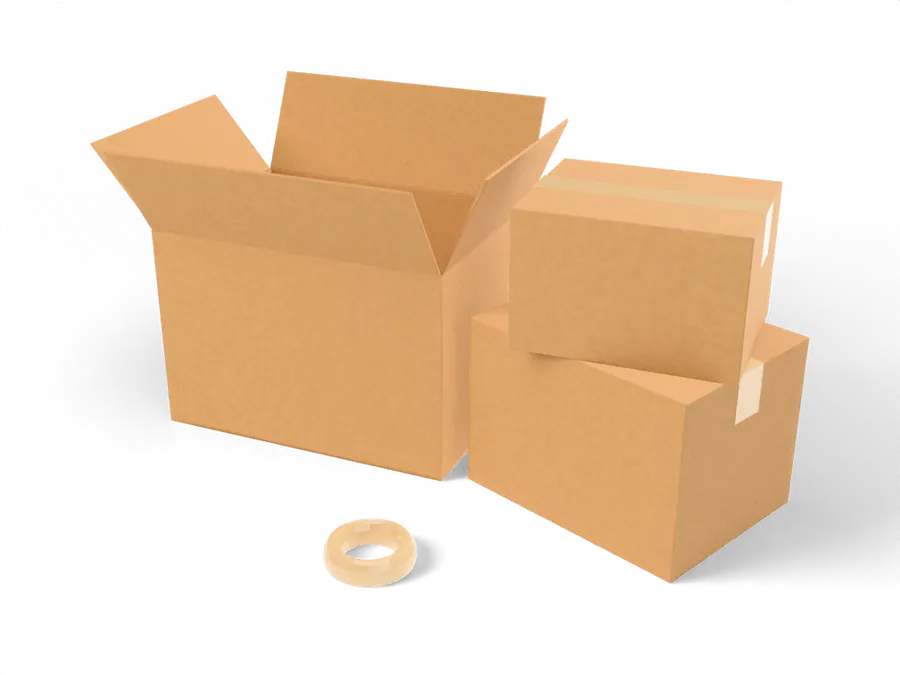
Regular slotted carton (RSC)
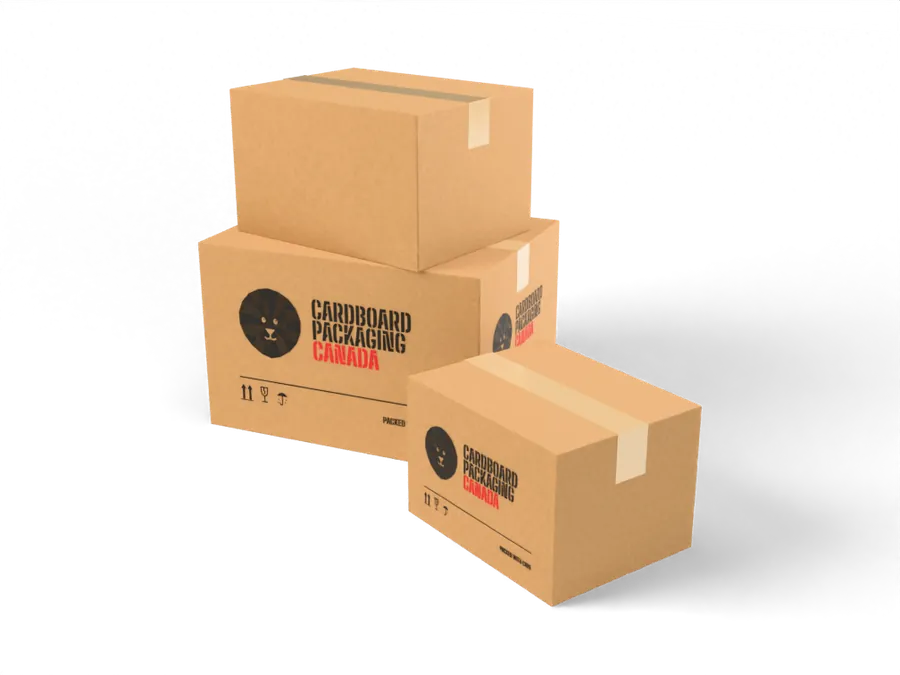
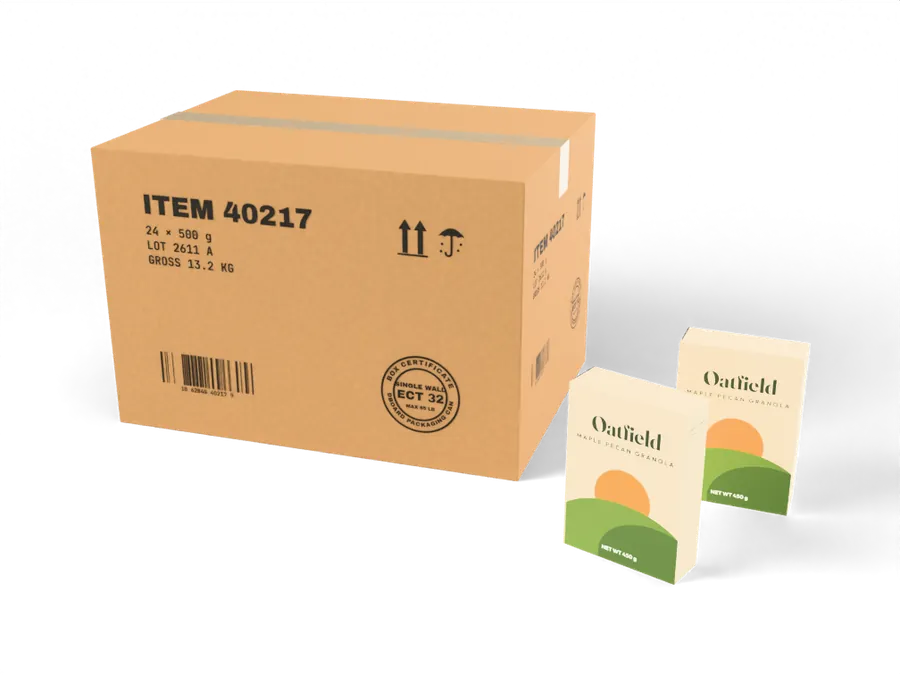
The standard shipping box. Four flaps on top and four on the bottom, all the same depth, so the long flaps meet in the middle and get taped. It is the cheapest box to make because it wastes almost no board. If you picture a cardboard box, you are picturing an RSC.
Half slotted and full overlap
A half slotted container is an RSC without top flaps, usually closed with a separate lid. A full overlap box has long flaps that overlap completely for a stronger, double thickness top and bottom, useful for heavy or long items.
Mailer box (roll end tuck front)
The ecommerce favourite. One die cut piece of corrugated with a hinged lid that tucks into the front, double walls and dust flaps. No tape needed and lovely to open.
Tuck end cartons
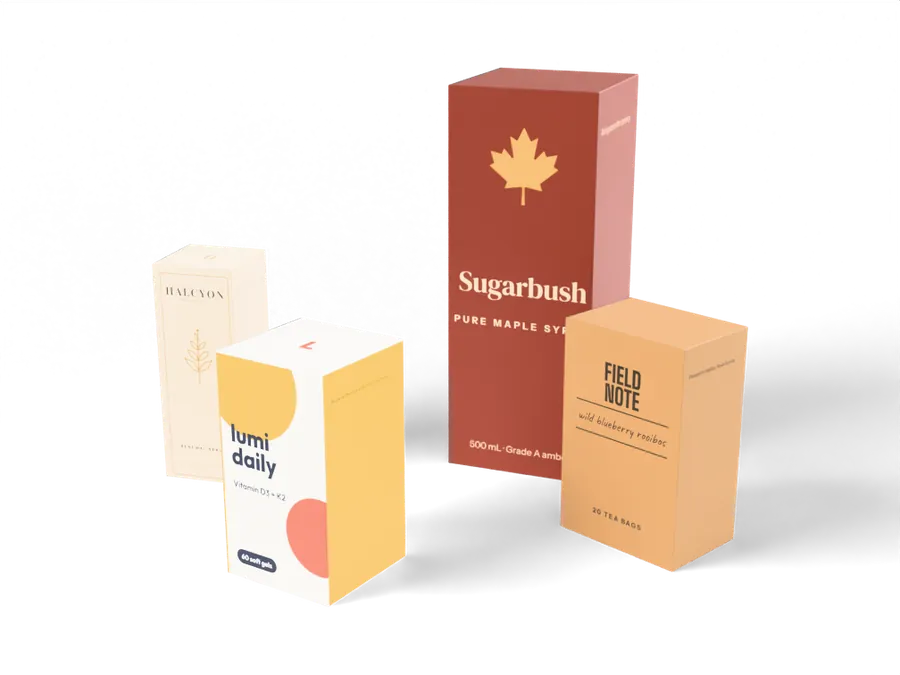
Folding cartons with a tuck flap at each end. In a reverse tuck end the flaps tuck in from opposite sides; in a straight tuck end both open from the front. These are the standard retail boxes for cosmetics, supplements and small goods.
Auto bottom (crash lock)
A carton whose base is pre glued so it locks itself when you pop the box open. Faster to pack and stronger underneath, so it suits heavier products like jars and bottles.
Two piece, trays and sleeves
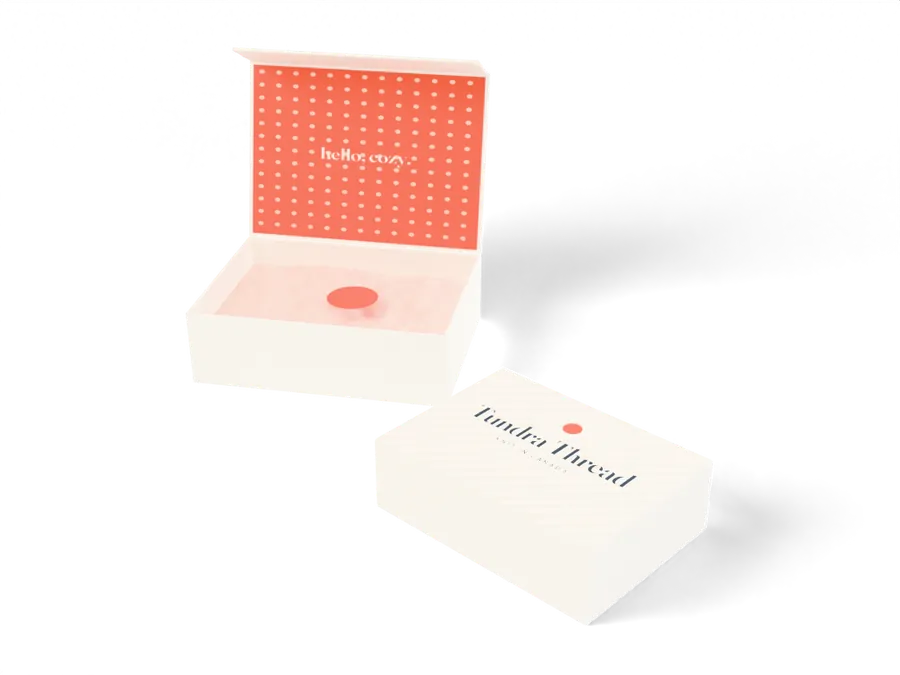
A lid and base (telescope) box is common for gifts and rigid boxes. A tray with a sleeve is popular for food and chocolate. Trays alone are used for produce and shelf displays.
Ready for a price? Send us your box size and quantity and we will reply with options and a production date.