Corrugated vs cardboard: what is the difference?
Ask ten people what cardboard is and you will get ten answers. In the packaging business the word covers two quite different materials, and choosing the wrong one costs money either way.
Cardboard is a family name
Cardboard is the everyday word for heavy paper based board. Packaging people rarely use it, because it lumps together two materials that behave very differently: paperboard and corrugated board.
Paperboard: the retail box
Paperboard (also called folding carton board or boxboard) is one thick sheet. Think cereal boxes, toothpaste boxes and perfume boxes. It is measured in points (a point is a thousandth of an inch), and most retail cartons use 16 to 24 pt. Paperboard prints beautifully, takes foil and embossing, and folds into crisp shapes. It is not built to survive a courier on its own.
Corrugated: the shipping box
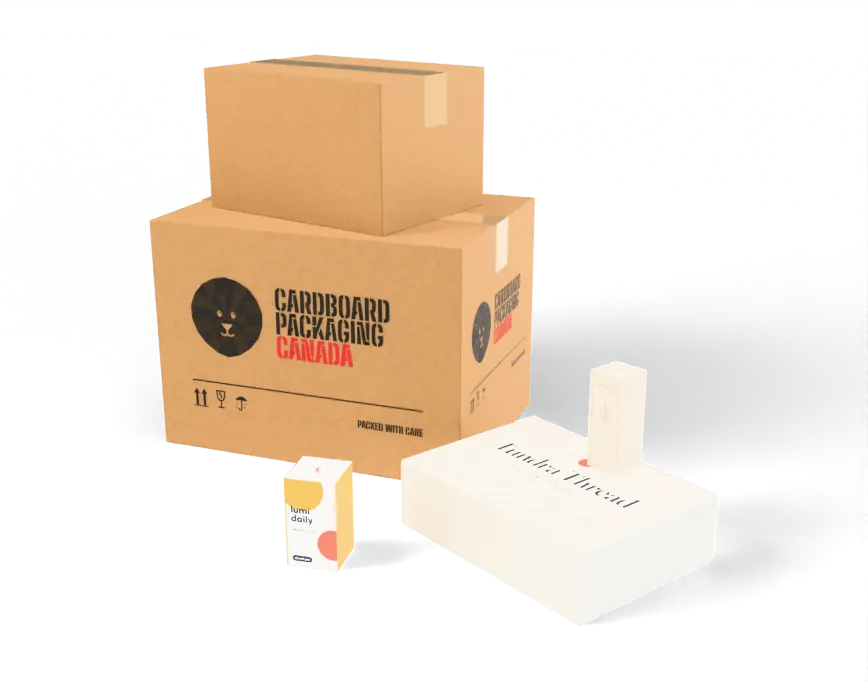
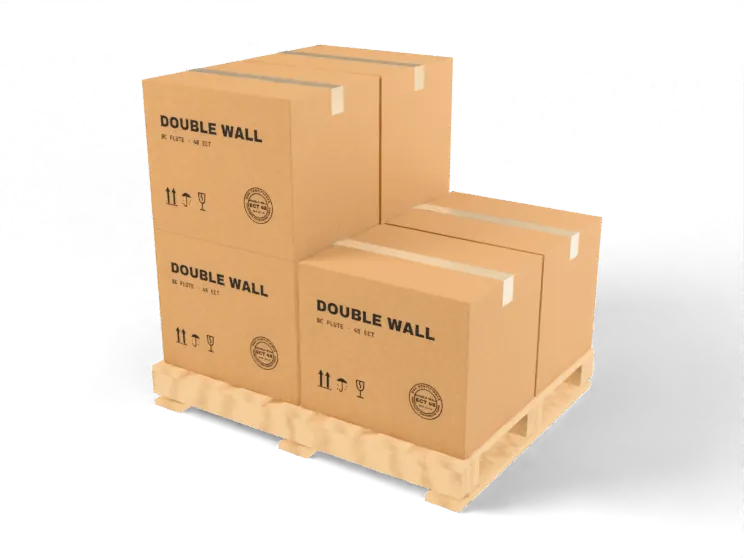
Corrugated board is a sandwich: two flat liners with a wavy layer called the flute glued between them. The arches of the flute resist crushing the same way a bridge does, so corrugated is very strong for its weight. Almost every shipping box is corrugated.
So which do you need?
- Product on a store shelf: a printed folding carton.
- Product shipped to a customer: a corrugated shipper or mailer.
- Both: a folding carton inside a corrugated shipping box, or a printed corrugated mailer that does both jobs.
If you are not sure, send us the product and how it travels. We make both, so we have no reason to push one over the other.
Ready for a price? Send us your box size and quantity and we will reply with options and a production date.